
Tension Is the Teacher
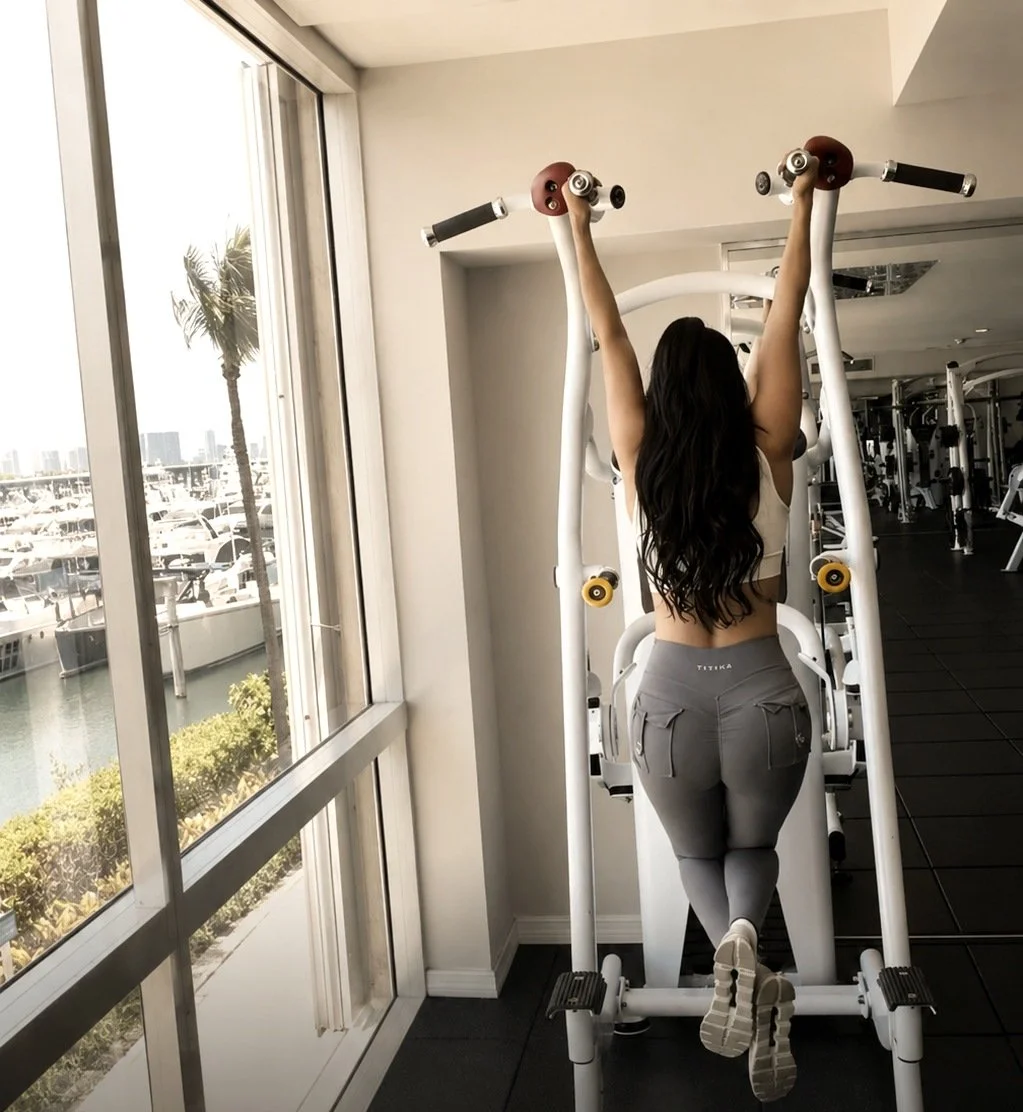
Why muscle, strength, and smart movement matter more as we age.
Most women I talk to don't need more cardio. They need more strength.
Not just to look toned, but to stay strong, protect their bones, and age without becoming fragile. For years, exercise was sold to us as punishment: burn it off, sweat it out, stay thin. I see movement very differently now. It's one of the best investments you can make in how you'll look, feel, and function for decades.
Muscle matters more than you think
Starting around our 30s, we gradually lose muscle unless we actively work to keep it. That matters for far more than how we look. Muscle helps regulate blood sugar, supports bone density, and plays a big role in staying strong and independent as we get older.
That's why I lift heavy. Not casually, but intentionally. And I'm not afraid to go up in weight. You shouldn't be either.
Strength training is my foundation
Your body adapts to what you ask of it. If you only ever use light weights, that's all it will prepare for. Real strength comes from progressive overload, which simply means gradually challenging your muscles with more resistance over time.
I lift three to four times a week, focusing on good form, compound movements like squats and deadlifts, and slow, controlled reps. It's not about getting bulky. It's about being strong.
Weighted walking: my secret weapon
One of the most underrated tools in my routine is walking with a weighted vest. I use a 20-pound vest, but start with 5 to 10 pounds and build up slowly.
It turns an ordinary walk into real training without the intensity of a hard workout. I wear it on morning walks, while doing chores, and even on calls.
Why I also do Zone 2 cardio
Zone 2 is steady, moderate effort where you can still talk but feel like you're working. Think incline walking, cycling, or rowing. It builds your aerobic base, supports heart health, and helps with recovery.
I do it two to three times a week, usually after lifting or in the morning.
Recovery is part of training
Movement isn't only about muscles. How you recover matters just as much. Here's what I include each week:
Gua sha on my face, and wood therapy or body gua sha for lymphatic massage
Time on a rebounder or vibration plate for circulation
Mobility work and daily walks to keep my joints moving well
You don't need more time, you need smarter training
You don't have to work out for hours. You need the right mix: real resistance, smart cardio, and proper rest. That's what keeps you strong, not just thin.
Keep reading: The Forgotten Core, The Architecture of Nourishment, and Eat Earlier, Not Less
→ Want help building a movement plan around your body and schedule? Book a consultation.
→ Looking for meals that support training and recovery? Explore my recipes.