Reduce Inflammation for Better Health & Aging 

Do you ever notice that fatigue lingers longer than it should? Or that your joints ache for no reason? Maybe your skin looks dull, or small aches and stiffness have become routine.

These aren’t “just part of getting older.” They are signals of chronic inflammation quietly affecting your body, and, left unchecked, they can accelerate aging, drain energy, and even increase disease risk.

Inflammation is not inherently bad. It’s your body’s natural defense system, designed to heal and protect. The problem arises when it becomes chronic and low-grade, running silently in the background, wearing down your tissues, hormones, and organs.

But you've control. With the right strategies, you can lower inflammation, boost vitality, and age gracefully without extreme cleanses, fad diets, or endless supplements.

Inflammation: The Silent Saboteur

Think of inflammation like a fire. Acute inflammation is like a controlled flame: it heals cuts, fights infections, and helps your body repair itself. 

Chronic inflammation is like a smoldering fire in your body’s engine. You don’t always see smoke, but the damage is happening quietly, breaking down collagen, stressing your joints, and burdening your metabolism.

Science links chronic inflammation to:

  • Joint pain and stiffness

  • Fatigue and poor recovery

  • Cognitive decline

  • Heart disease and insulin resistance

  • Accelerated skin aging

Every day triggers processed foods, chronic stress, poor sleep, sedentary habits feed this invisible fire. But reversing it doesn’t require radical changes; it starts with intentional, sustainable steps.

The Foods That Speak Your Body’s Language

What you eat directly communicates with your immune system. Certain foods fan the flames of inflammation; others soothe it.

Berries and Colorful Fruits

Blueberries, cherries, and pomegranates contain antioxidants like polyphenols that neutralize free radicals and calm inflammation.

Leafy Greens and Cruciferous Vegetables

Spinach, kale, broccoli, and Brussels sprouts support detoxification pathways and reduce oxidative stress in tissues.

Healthy Fats

Omega-3s in salmon, chia, and walnuts regulate inflammatory molecules and support heart and brain health.

Herbs And Spices

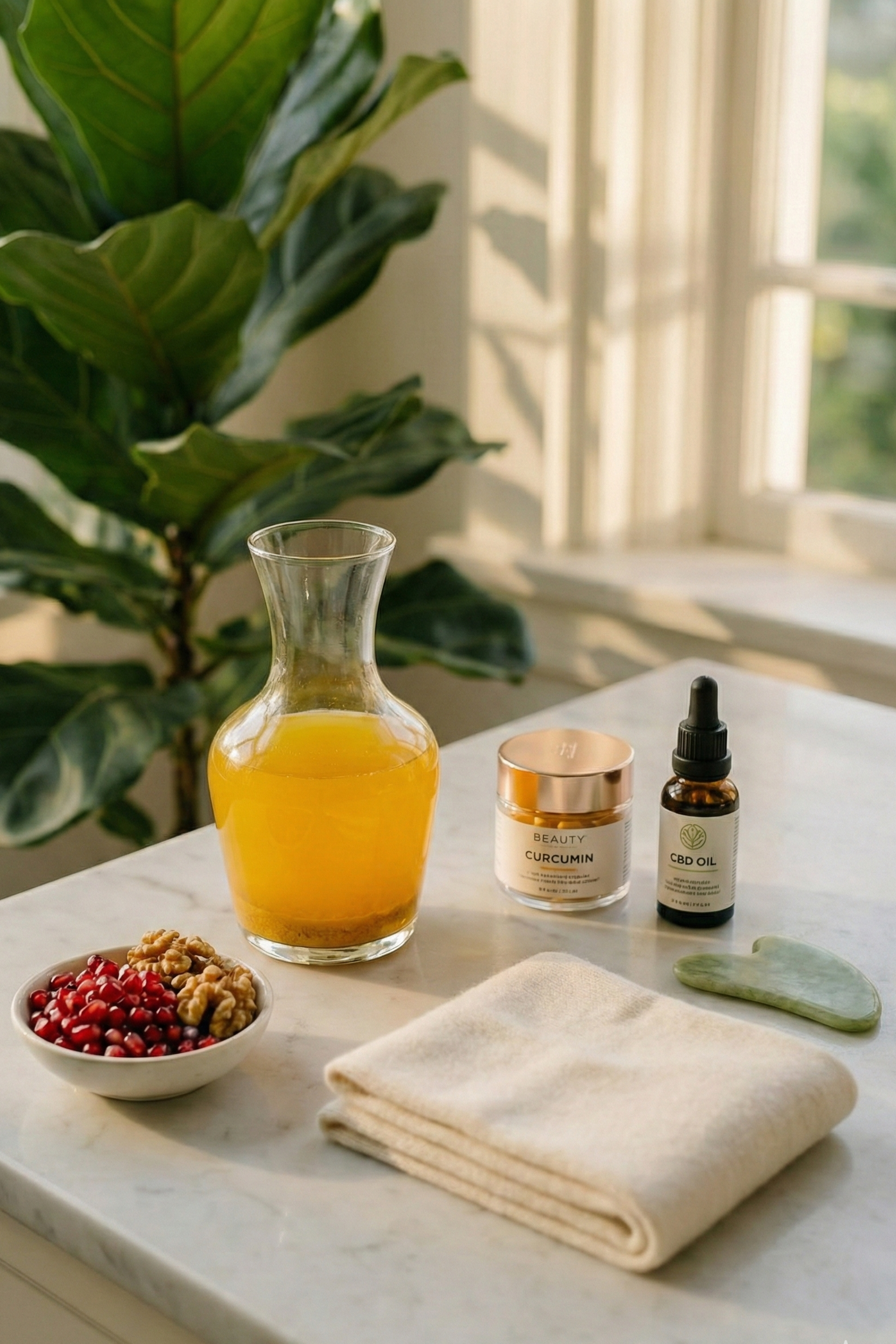
Turmeric, ginger, rosemary, and garlic contain compounds that directly downregulate inflammatory pathways. Even small daily choices, like swapping sugary snacks for a handful of berries or adding turmeric to your meals, accumulate into a meaningful anti-inflammatory impact over time.

Gut Health: The Hidden Inflammation Switch

Your gut is not just for digestion; it’s a central hub for your immune system. An imbalanced gut microbiome, known as dysbiosis, can trick your body into thinking it’s under attack, triggering chronic inflammation.

  • Support your microbiome: Include fermented foods like kefir, sauerkraut, and kimchi to nourish good bacteria.

  • Feed the good guys: Prebiotic fibers from onions, leeks, and asparagus help beneficial microbes produce compounds that reduce inflammation.

  • Reduce irritants: Limiting alcohol, processed foods, and artificial additives prevents stress on the gut lining, keeping inflammation low.

A healthy gut translates to better energy, improved mood, and youthful vitality.

Stress and Inflammation: The Invisible Connection

Stress isn’t just a mental burden; it's a biochemical trigger for inflammation. Chronic stress elevates cortisol, a hormone that, when persistently high, disrupts immune function, accelerates tissue breakdown, and promotes inflammation in organs and joints.

  • Mindfulness and meditation: Even 10 minutes of daily meditation can lower cortisol and inflammatory markers.

  • Breathing exercises: Slow, deep breathing activates the parasympathetic nervous system, calming inflammation.

  • Nature exposure: Time outdoors reduces stress, improves mood, and lowers inflammatory responses.

Managing stress is not optional; it's a vital anti-inflammatory intervention that supports both longevity and daily energy.

Move to Heal

Exercise isn’t just about burning calories; it’s a tool for regulating inflammation. But not all movement is equal. Chronic, high-intensity exercise without recovery can actually increase inflammation.
Moderate, consistent activity such as walking, swimming, or cycling improves circulation, delivering nutrients and oxygen to tissues while aiding waste removal. Strength training helps maintain lean muscle, stabilize blood sugar, and reduce inflammatory signaling.

Mind-body practices like yoga or Pilates combine gentle movement with stress reduction, providing dual anti-inflammatory benefits. Even 15–20 minutes a day of mindful, intentional movement amplifies your body’s natural healing processes.

Sleep: Your Anti-Inflammatory Ally

Sleep is when your body repairs itself, reduces inflammation, and balances hormones. Poor sleep increases CRP and IL-6, key markers of chronic inflammation. Lack of restorative sleep also affects energy, cognition, and skin health.

  • Stick to a consistent sleep schedule.

  • Limit screens before bed to protect your natural circadian rhythm.

  • Prioritize 7–9 hours of deep sleep for maximum repair and hormone regulation.

Deep, restorative sleep is one of the most effective anti-inflammatory strategies available.

Lifestyle Choices That Quiet Inflammation

Small, intentional habits are the most sustainable way to reduce inflammation:

  • Mindful eating: Slow, intentional meals signal your digestive system to work efficiently, lowering metabolic stress.

  • Hydration: Water supports detox pathways in the liver, kidneys, and skin.

  • Reduce environmental stressors: Minimize exposure to plastics, pollutants, and chemicals that burden your detox systems.

  • Balanced daily rhythm: Light exposure in the morning, movement during the day, and calm evenings support your circadian rhythm, further reducing inflammatory stress.

These are not quick hacks, they are foundational practices that protect your long-term health and vitality.

Anti-Inflammatory Supplements (Optional, Smart Choices)

Some natural compounds can complement lifestyle changes, but they work best alongside good nutrition and stress management:

  • Curcumin (from turmeric): Potent antioxidant that modulates inflammatory pathways.

  • Ginger and garlic extracts: Support immune function and gut health.

  • Omega-3 fatty acids: Regulate inflammatory molecules and support brain and joint health.

  • Adaptogens like ashwagandha: Help the body manage stress, indirectly lowering inflammation.

Always prioritize quality and purity. Supplements are supportive tools, not replacements for healthy habits.

The Takeaway

Reducing inflammation isn’t about extremes. It’s about understanding your body, listening to its signals, and supporting its natural intelligence. Through diet, gut health, stress management, movement, and sleep, you can quiet the internal fire, restore energy, protect joints, and maintain youthful vitality.

Request your tailored treatment roadmap based on your skin concerns, sensitivities, and goals.

Your body is intelligent. It knows how to heal, restore, and thrive it just needs the right environment. When you create that, inflammation fades, energy returns, and your health becomes effortless.

Previous
Previous

Beauty Starts from Within: The Wellness Approach

Next
Next

Detox Your Body the Right Way – No Fads