
Eat Earlier, Not Less
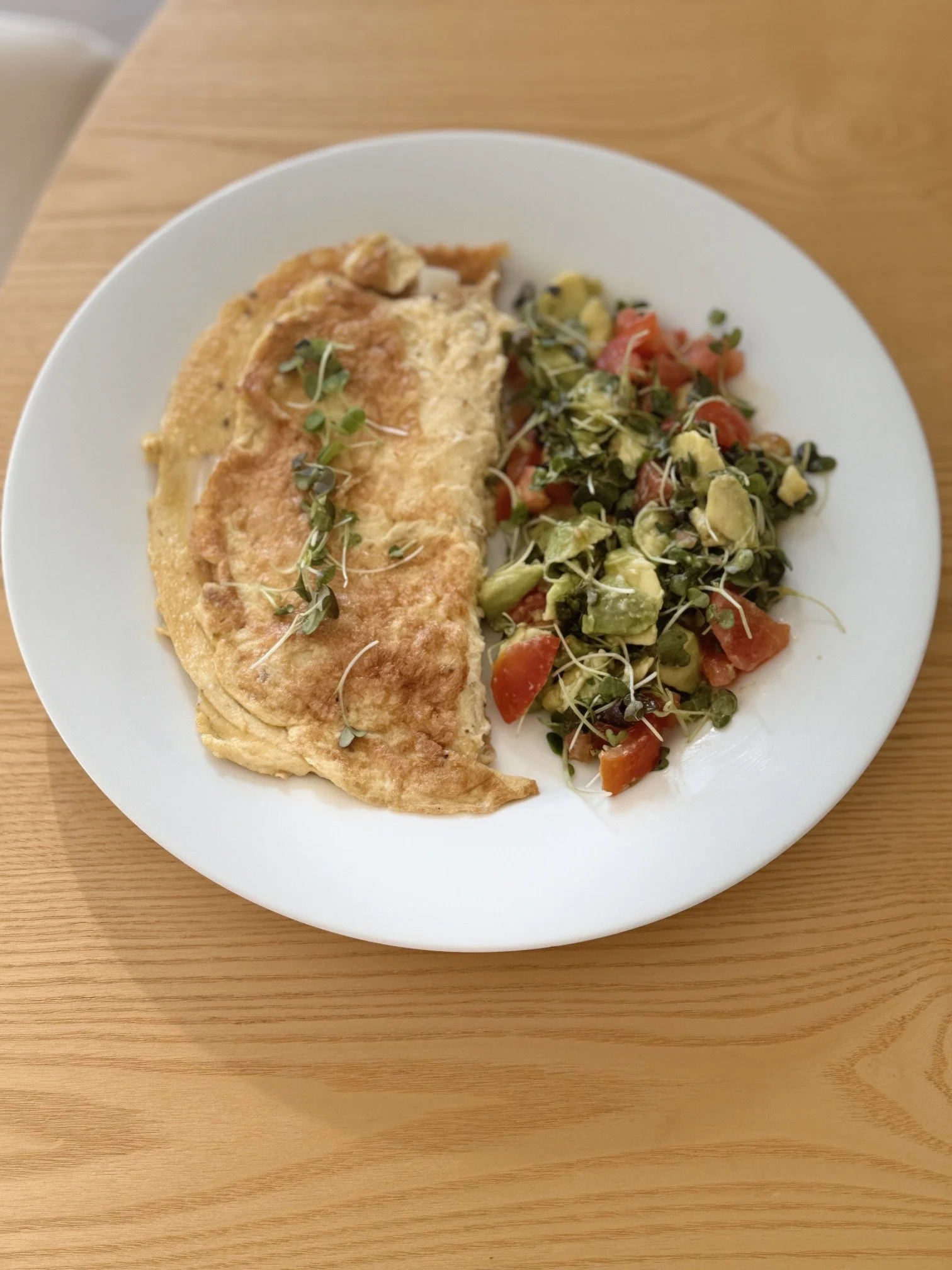
How I support my metabolism without starving my body or my mood.
Your metabolism isn’t just how fast you burn calories. It’s how your body decides what to do with every meal: use it, store it, or repair with it. It shapes your energy, your cravings, your skin, and how you feel at 3 p.m.
If you’re tired after meals, craving sugar by mid-afternoon, or feeling puffy even when you’re eating clean, it’s rarely about willpower. More often, it’s about timing and structure.
What a flexible metabolism feels like
A healthy metabolism can switch between fuel sources without drama. You can go a few hours without food and not feel shaky or desperate. You’re hungry at mealtimes, not constantly. Your energy holds steady instead of spiking and crashing.
When that flexibility is gone, you feel it: waking up starving, needing a snack every two hours, fog when a meal is late. That’s not a character flaw. It’s a signal.
Why blood sugar matters so much
Think of blood sugar like a tide. When it rises and falls gently, you feel steady. When it spikes and crashes, you get the cravings, the crash, and the next spike.
The good news is that a few simple habits make a real difference:
Eat your protein and vegetables first. Small studies have found that eating carbs last in a meal leads to a gentler rise in blood sugar.
Walk after meals. Even 10 minutes helps your muscles use glucose.
Lift weights. Muscle is one of the biggest users of glucose in your body, and strength training improves how well your body responds to insulin.
Timing matters more than you think
Research suggests that your body handles food better earlier in the day than late at night. The same meal can affect your blood sugar differently at 8 a.m. than at 9 p.m.
My rhythm:
First meal within about an hour of waking, built around protein and healthy fat
Last meal around three hours before bed
About 12 hours between dinner and breakfast, adjusted for how I’m sleeping and training
You don’t need to starve. You need to sync.
Eat more in the morning (yes, really)
“Eat light early, heavy at night” is backwards for most women I work with. A green juice and a coffee isn’t breakfast. It’s a setup for a 3 p.m. crash.
I aim for 30 to 40 grams of protein at my first meal. Protein keeps you full longer than almost anything else, and it’s what your muscles need to stay strong as you age. Most mornings that’s my Youth Bowl or a protein smoothie.
Fasting: a tool, not a rule
I like a simple overnight fast. But fasting harder isn’t always better, especially for women. If you’re sleeping badly, under a lot of stress, or fasting leaves you anxious, dizzy, or bingeing later, it’s working against you. Pull back. You can get most of the benefit from a steady overnight gap and well-built meals during the day.
Why this shows up in your skin
Steady blood sugar isn’t only about energy. When meals keep you in a spike-and-crash cycle, you often see it in your skin first: dullness, puffiness, breakouts that don’t make sense. When your meals are structured well, your skin tends to calm down along with your cravings.
The bottom line
Metabolic health isn’t about eating less. It’s about eating with your body instead of against it: protein first, earlier in the day, with movement after meals and real rest at night.
Keep reading: Why Your Hormones Might Be the Real Reason You’re Gaining Weight, The Architecture of Nourishment, and Inside The Ageless Code
If you want a plan built around your body, cycle, and schedule, that’s what my private consultations are for. And if you just want to eat better this week, my free recipe library is full of meals built exactly this way.